
You're standing in the kitchen of an older manufactured home when the wind picks up. The roof has seen better days, and you're trying to decide if a Foremost policy would pay enough after a storm to repair the damage. The answer may depend less on the brand name than on roof age, replacement-cost eligibility, and the details recorded before the policy starts.
Foremost has specialized in mobile-home insurance since June 12, 1952, when it was created for a market mainstream insurers often ignored. Its current program can include older homes, vacant homes, seasonal homes, park models, modular homes, rental mobile homes, and homes on private property, but broad eligibility doesn't mean every claim settles the same way. Your policy details matter.
Why Older Manufactured Homes Need Specialty Carriers
A buyer may find an affordable 1970s single-wide, only to discover that a standard homeowners insurer won't quote it. The problem usually isn't the buyer. Manufactured homes have different construction, setup, roof, skirting, and tie-down details than site-built houses. Those features affect how an insurer evaluates wind, hail, fire, water, and repair costs.
Foremost was built around that gap. The company says it was founded on June 12, 1952, to serve an underserved mobile-home market. By 1961, it was selling mobile-home insurance in every U.S. state except Hawaii, according to Foremost's company history. Its history also says Foremost was the first U.S. insurer to commission a study of strong winds on mobile homes in the early 1960s. That work helped spur mandatory tie-down laws in many states.
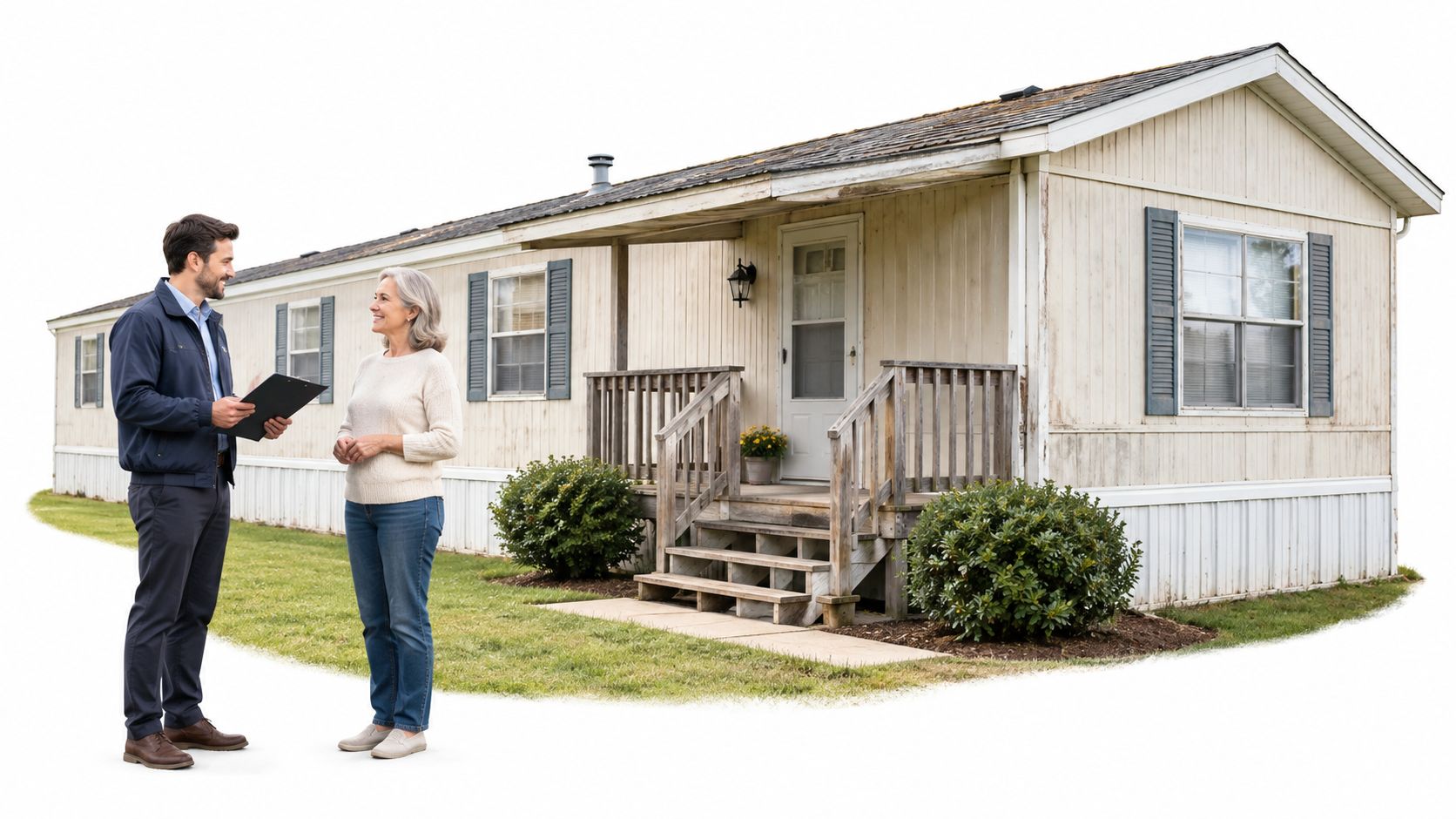
That background doesn't guarantee approval. It does explain why Foremost evaluates risks that a standard carrier may decline. The company's specialty-business history says it grew from one account and a three-person office to operating in 35 states with 44 employees within five years.
Foremost's current manufactured-home materials state that the program accepts homes of any age, subject to underwriting. It also includes new and old mobile homes, single-wide homes, multi-sectional homes, modular homes, park models, rental homes, and vacant homes. A specialty carrier looks at the home's actual condition and use instead of treating age as the only answer.
What Your Policy Actually Covers
Start with the declarations page. This is your policy summary. Check the dwelling limit, deductible, personal property limit, other-structures limit, and liability limit before you assume the policy matches your needs.
Open-peril coverage means covered unless excluded. Foremost's mobile-home program uses an open-peril structure for the dwelling, personal property, and other structures, according to its manufactured-home product information. In plain terms, the policy generally responds to a loss unless the policy specifically excludes it. You still need to read the exclusions.
Replacement cost means new comparable materials. If your policy provides replacement-cost settlement and you meet its conditions, the insurer can pay to replace damaged property without subtracting for age or wear. That doesn't mean every loss receives a full rebuild payment. Limits, deductibles, exclusions, endorsements, and documentation still apply.
Your dwelling coverage protects the manufactured home itself. Personal property coverage protects belongings inside it. Other-structures coverage applies to separate structures, subject to the policy terms. Liability coverage helps with covered claims that you caused injury or property damage to someone else.
Foremost says its program can cover manufactured homes of any value, new or several years old, along with seasonal or vacant homes in parks or on private property. The exact offer depends on underwriting and the policy issued.
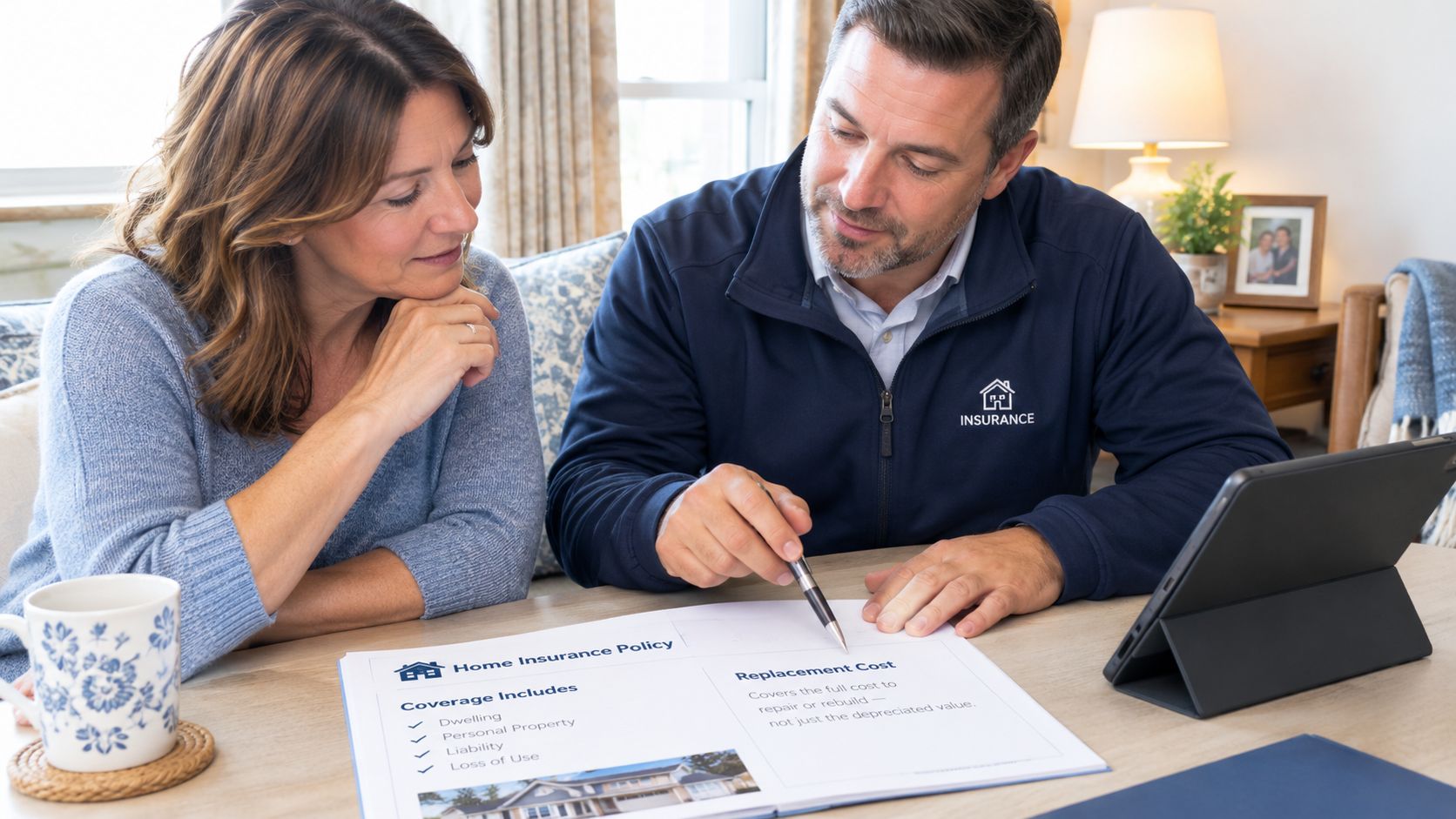
Before choosing a policy, compare the settlement method and exclusions, not just the premium. This guide to manufactured-home insurance can help you identify the questions to raise with a licensed agent.
The Roof Age Rule That Changes Your Claim
The roof is where many buyers discover that “replacement cost” has conditions. Foremost's manufactured-home guidance says the home must be insured for 100% of replacement cost to qualify for replacement-cost treatment. That means the dwelling limit can't be chosen casually.
Roof valuation can follow a separate rule. A Texas guide for Foremost states that roof-covering replacement doesn't apply if the insured can't validate that the roof covering is less than 15 years old, according to the Foremost manufactured-home program guide. The guide's publication year isn't identified, so treat it as program guidance to confirm with your licensed agent, not as a universal insurance rule.
The practical issue is simple. A hailstorm damages an older roof. You file a claim expecting new materials. The carrier then asks how old the roof was. If you can't validate its age, the roof portion may receive limited settlement under the applicable program rules instead of replacement-cost treatment.
Get proof before binding. Ask the seller for invoices, permits, inspection records, or contractor documentation. If the roof was replaced before you bought the home, keep those records with your policy documents. Photos can help establish condition, but an agent should tell you what the carrier will accept as age validation.
Practical rule: Never rely on a replacement-cost label until you know the roof-age requirement and the evidence the carrier accepts.
This is also why the dwelling limit matters. Foremost says that, in most states, the dwelling limit can be extended by up to 20% if needed to replace the home. That extension is not a substitute for accurate valuation, and state availability and policy conditions apply.
Comparing Foremost to Other Specialty Carriers
A storm claim can turn on underwriting details that never appear in a basic premium comparison. For an older manufactured home, Foremost's fit depends on home age, occupancy, location, park status, roof documentation, wind exposure, and the policy's replacement-cost rules.
Instead of comparing named carriers, compare Foremost with generic market options. A standard-risk specialty carrier may prefer newer homes with clear property records. A niche carrier may accept unusual home types or seasonal use. A wind-focused carrier may apply stricter rules to construction, catastrophe exposure, and deductibles. Eligibility and settlement terms matter more than the carrier label.
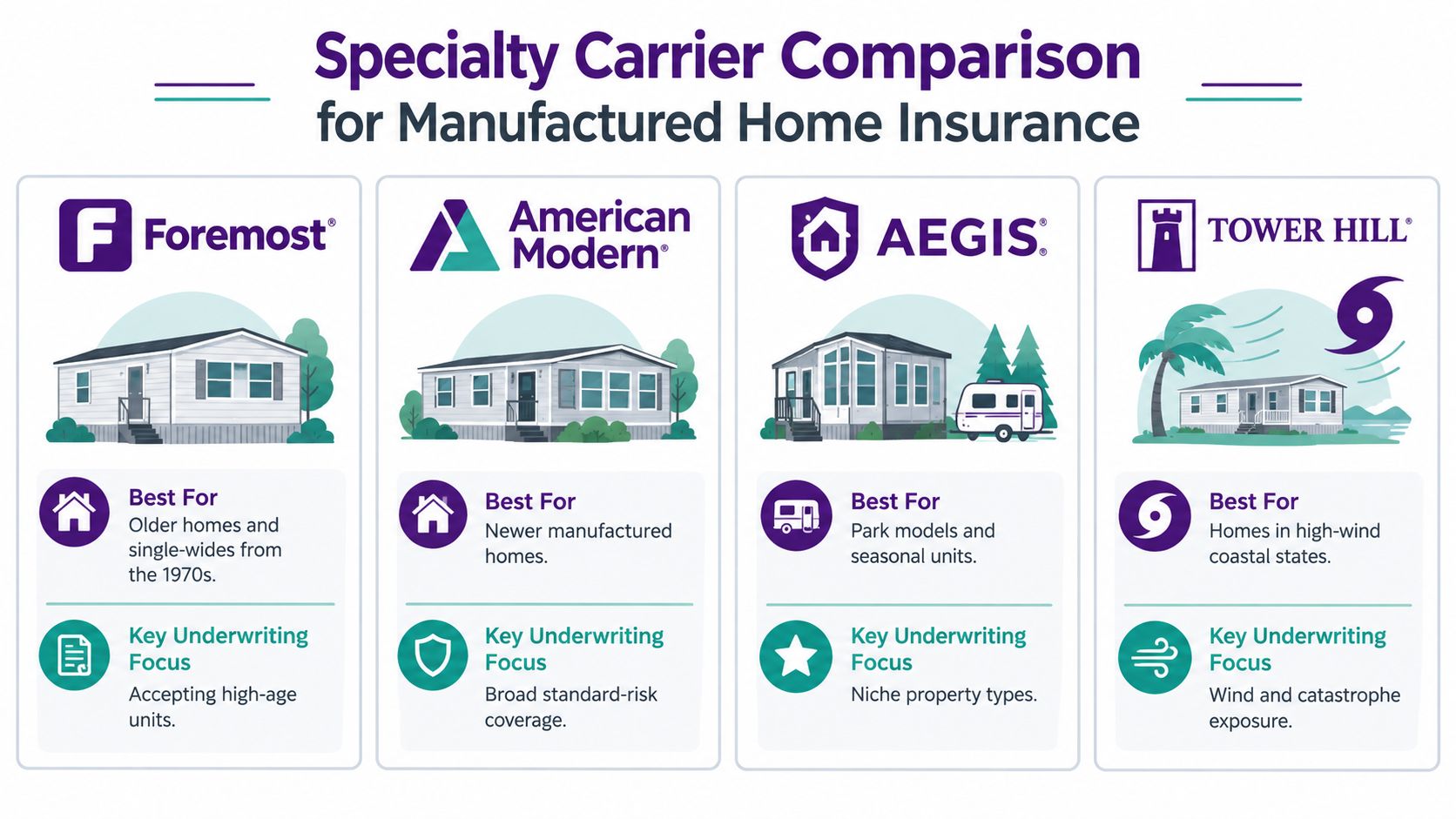
Use Maya as a starting point. One market option may suit a newer home, while Foremost may fit an older unit. Another may accept a seasonal park model but reject a permanently occupied home on private land. Those differences can change both acceptance and the final claim payment.
High-wind locations need a closer review. Ask how each quote handles wind damage, debris removal, emergency repairs, roof settlement, and separate deductibles. Do not choose by premium alone. A lower price is a poor trade if the settlement method does not match the home's age or exclusions leave major storm damage uninsured.
Foremost may accept homes in approved parks and on private property, subject to current underwriting rules. Occupancy changes can also alter the result. A home listed as full-time, seasonal, or vacant may receive different eligibility or pricing.
Discounts and Location Factors
Where the home sits affects the quote. Foremost's materials say homes in an approved park qualify, and newer homes receive a higher discount, subject to the program rules. Its product information also says the program covers homes in parks or on private property, so location isn't a minor address entry. It helps determine how the carrier views the risk.
An approved park generally means the community meets the insurer's eligibility requirements. Those requirements can involve park management, maintenance, access, occupancy, or other underwriting details. Don't assume that every community qualifies just because it houses manufactured homes.
Seasonal and vacant homes need accurate use codes. A seasonal home isn't occupied year-round. A vacant home has no regular occupant. Tell the agent which description fits. Misstating occupancy can create problems if a loss occurs while the home is empty.
Check these items on the declarations page before binding:
Property address: Confirm the lot address, park name, and private-property status.
Occupancy: Verify full-time, seasonal, rental, or vacant use.
Home description: Check single-wide, multi-sectional, modular, or park-model details.
Year information: Confirm the home's age and the documented roof age.
Limits: Review dwelling, personal property, other structures, and liability amounts.
Deductibles: Check wind, hail, and other separate deductibles if shown.
Park eligibility: Ask the agent to confirm the community's approved-park status.
If you own a home in a weather-exposed state, read this Arizona manufactured-home insurance guide for location-specific questions to raise with your agent. The goal isn't to force a discount. It's to make sure the quote reflects the home you own.
Getting the Right Quotes for Your Home
The fastest quote is useless if the roof year is wrong. Start with accurate property information, then compare the offers on settlement terms rather than choosing the first number you see.
Foremost's broad program can include older, seasonal, vacant, park, and privately sited homes. Other specialty carriers may fit the same property differently. That makes multi-carrier comparison useful, especially if the home has an older roof, unusual occupancy, or a location with heavier wind exposure.
Prepare the information an agent will need:
The home's year, size, type, and location.
The roof installation year and supporting records.
Whether the home is in an approved park.
How the home is occupied.
The desired dwelling limit and personal property amount.
Tie-down, skirting, heating, plumbing, and electrical details.
Recent repairs and any prior losses.
Then review each declarations page. Confirm that the roof age, replacement-cost status, dwelling limit, deductible, and occupancy are accurate. Ask what happens if the roof age can't be validated. Ask which storm-related expenses are covered and which are excluded.
Maya can collect one application and return quotes from multiple manufactured-home carriers, including Foremost, for comparison. The Maya agent page explains how the quote workflow supports licensed agents.
Maya returns quotes, does not bind coverage, and does not give coverage advice. The licensed agent owns the placement.

If you're comparing Foremost insurance for a manufactured home, submit the home's actual roof records and occupancy details before reviewing quotes. Visit Maya to compare available options, then speak with a licensed agent about the policy that fits your home.